Capital and succession decisions for firm owners
For a civil engineering firm doing about $10 million in annual revenue, a capital conversation starts with the owner’s goals and the business’s capacity to operate through change. Are you funding a second office, buying a complementary practice, creating liquidity, bringing in the next generation of leaders, or preparing to exit? The answer shapes which partners and structures deserve a closer look.
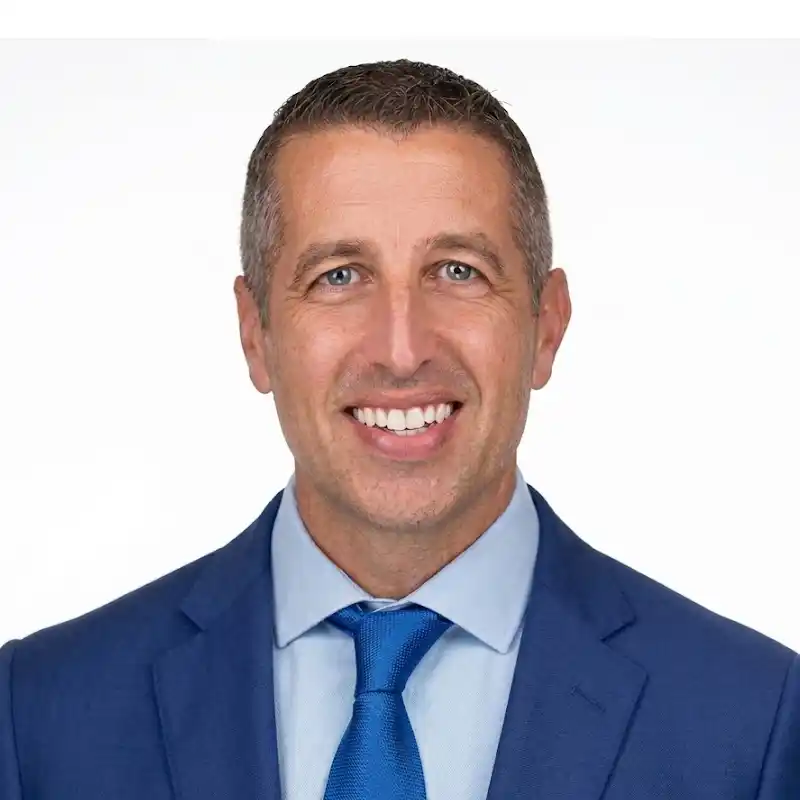
Family Office Club connects business owners with investor education, events and a network that includes family offices and investment firms. Richard C. Wilson can discuss the questions an owner may want to prepare before exploring growth capital, a sale, recapitalization or succession.
Start with the owner’s objectives
Before approaching capital providers, define what a successful outcome means to the current owners and the firm. Owners often need to weigh:
- The amount of liquidity they want now, if any.
- Whether they want to remain involved in operations or transition out.
- Which leaders can carry client relationships and project delivery forward.
- Whether capital will fund acquisitions, geographic expansion, recruiting, systems or working capital.
- How much control the owners are prepared to share.
- What employees and clients need from the firm during a transition.
- The timing and structure of any transfer of ownership.
For an engineering practice, buyer diligence can examine recurring and repeat clients, contract terms, backlog composition, project execution, professional liability practices, staff capacity, utilization, billing and collections, and the depth of the next management layer. These topics are examples for preparation, not a valuation formula or a claim about any particular firm.
Growth capital
Growth capital can support a firm that has a specific plan and wants to preserve some existing ownership. The capital might fund a new office, a service-line expansion, a targeted acquisition or investment in recruiting and operating systems. The owner needs to understand the cost of capital, governance rights, reporting expectations, distribution policy and what happens if the plan misses its targets.
Capital providers vary. A family office may invest its own capital, pursue a direct investment or work alongside an operating partner. A private equity firm generally invests through a fund structure and may seek a defined ownership position and plan for future liquidity. A strategic buyer may value an engineering firm for its clients, staff, geography, licenses or complementary capabilities. Each prospective partner has its own mandate and diligence process.
There is no guarantee that an investor will be interested or that a proposed transaction will close. Owners should compare terms and work with independent legal, tax, accounting and valuation advisers.
Acquisitions: buy-side and sell-side
Buying another practice
An acquisition can add a service line, enter a market, bring in a team or expand client access. Before making an approach, a buyer can define the strategic reason, target profile, financing limit, integration owner and conditions that would make the deal unsuitable.
Due diligence for a civil engineering acquisition may include client and contract review, project backlog, employee retention, leadership capacity, insurance and claims history, professional registrations, working capital, equipment and software, office commitments, and the quality of financial records. The buyer should understand how technical staff and client relationships will be retained after closing.
The purchase price is only one part of the decision. Financing, earnouts, seller transition duties, employee arrangements, indemnities and integration costs can change the economics and operating demands of a transaction. Qualified advisers should review transaction terms and local professional requirements.
Selling or recapitalizing
A sell-side process begins with clarity about the desired outcome. An owner may want a full exit, a partial liquidity event, a partner to fund acquisitions, or a staged transition to internal leaders. The preparation can include organizing financial statements, documenting ownership, reviewing contracts, identifying key-person dependencies and agreeing on the owner’s expected role after a transaction.
Potential buyers may include another engineering firm, a private equity backed platform, a family office, an employee ownership structure or a management group. Each buyer will assess strategic fit, risk, leadership continuity and the path to operating the firm after closing. A recapitalization can provide some liquidity while leaving the owner with continuing equity, though it also introduces new governance and exit expectations.
Succession planning
Succession is an operating plan as well as an ownership plan. A transition is easier to evaluate when the firm has leaders who can manage clients, staffing, project quality and financial performance without relying on one principal for every decision.
Owners can map possible successors, determine which client relationships need shared coverage, set a timeline for responsibility transfer and decide how the next generation could earn or purchase equity. Internal succession can preserve continuity and firm identity, but it requires a way to finance the transfer and a plan for leadership development. An outside transaction can provide liquidity or resources for expansion, while changing control and the firm’s obligations to a new owner.
ESOP, private equity or family office
| Path | What it can offer | Questions to examine |
|---|---|---|
| Employee stock ownership plan (ESOP) | A structured way to broaden employee ownership and create a transition path for selling owners. | How will the transaction be financed? What governance, valuation, fiduciary and administration requirements apply? Can the firm support the obligations while investing in staff and operations? |
| Private equity (PE) | Capital and a partner that may support acquisitions, expansion or a platform strategy. | What control and governance rights are requested? What growth plan and holding period shape the investment? How will management incentives, future liquidity and a later sale work? |
| Family office | Potential access to patient or direct capital, depending on the family’s investment mandate and the proposed structure. | Does the family invest in this type of firm? What role does it expect in governance? Is the investment direct, alongside an operating partner or through another vehicle? |
These categories include different investors and transaction designs. The table is an educational comparison, not a recommendation. Legal, tax, accounting, fiduciary, securities and engineering considerations require qualified professional review.
Prepare for an investor conversation
An owner can prepare a concise overview that explains:
- The firm’s service lines, clients and geographic focus.
- How revenue is distributed across clients, markets and project types.
- How backlog is defined and how projects move from award to billing and collection.
- The leadership team and the owner’s intended role after a transaction.
- The hiring, utilization and retention issues that affect delivery capacity.
- The reason for seeking capital or a partner and how funds would be used.
- The ownership transition the current owners want to achieve.
An investor conversation is exploratory. Sharing information does not create an offer, commitment or investment relationship. Protect confidential business information and use appropriate advisers and agreements before disclosing sensitive materials.
Family Office Club and Richard C. Wilson
Family Office Club has worked with family offices since 2007 through events, education, research and member resources. That work includes helping families learn about family offices, connecting with investment firms and independent sponsors, and learning about deal flow.
Richard C. Wilson is the founder and CEO of Family Office Club. He works with family offices, investors and business owners, and he has written books on family offices and capital raising.
CivilEngineers.com is backed by Family Office Club. The Family Office Club network includes 19M social followers, 17M registered members, $1B in deals closed between members, a 15-person team, 19 years and 340 events hosted. The $1B figure describes deals closed between members and does not promise financing or outcomes for an owner.
Discuss your goals
If you are considering a transition, capital partner or acquisition, write to Richard with a short description of the firm, your role and the decision you are weighing.
Talk to Richard
Share a short description of the firm, your role and the decision you are weighing. Text or WhatsApp (808) 600-9260, or email Richard@FamilyBusinesses.com.